
Unique Perspectives on Borussia Dortmund
The history of Borussia Dortmund is marked by successes, setbacks, and a passionate fanbase. Yet, in a world where Artificial Intelligence (AI) increasingly influences football, it’s worth taking a step back to look at the era before these technologies became ubiquitous. How did the club evolve during this time, and what does it mean for fans today?
Borussia Dortmund in the Pre-AI Era
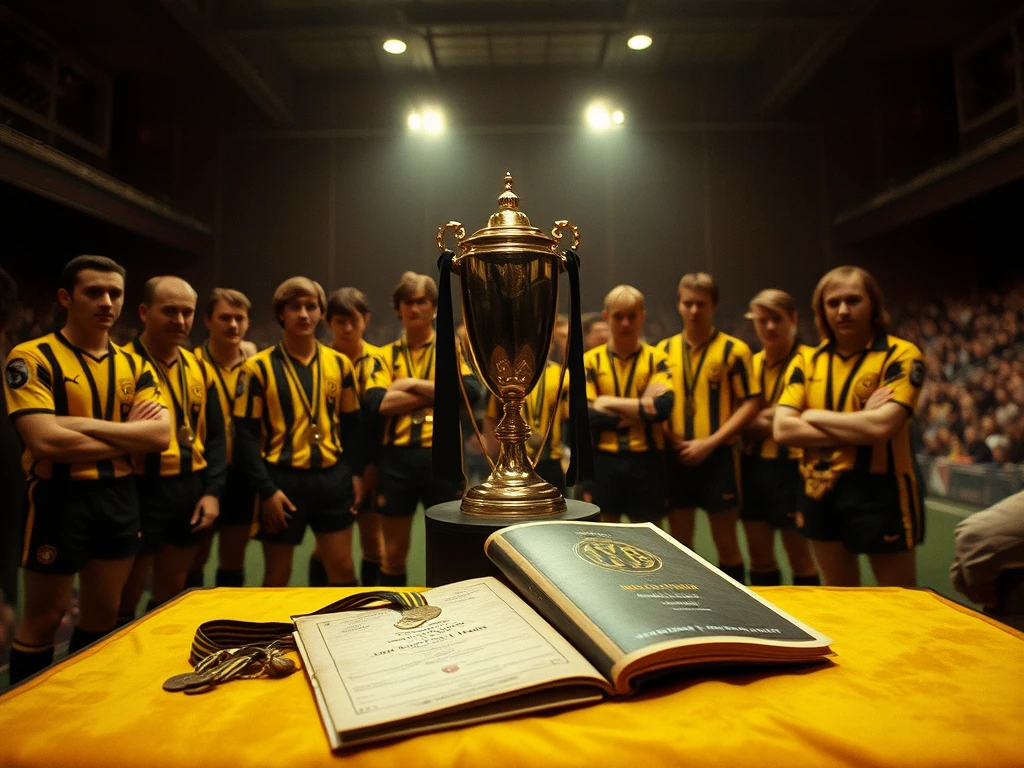
Before the rise of AI and data analysis, football was a much less predictable sport, where intuition and experience often played key roles. Borussia Dortmund, a club with a rich history, emerged during this time as one of the leading forces in the Bundesliga. Decisions were made by coaches like Jürgen Klopp and later Thomas Tuchel, who relied not only on statistics but also on gut feelings and interpersonal communication.
In the 2010/11 season, Dortmund experienced one of its most memorable moments in history when they won the Bundesliga under Klopp with an impressive points record. This was a time when players like Mario Götze and Robert Lewandowski shone not only through their skills but also through their emotions and passion for the club. The fans felt this connection and contributed to creating an atmosphere that made BVB one of the most feared opponents in Europe.
The Role of Fans in the Pre-AI Era
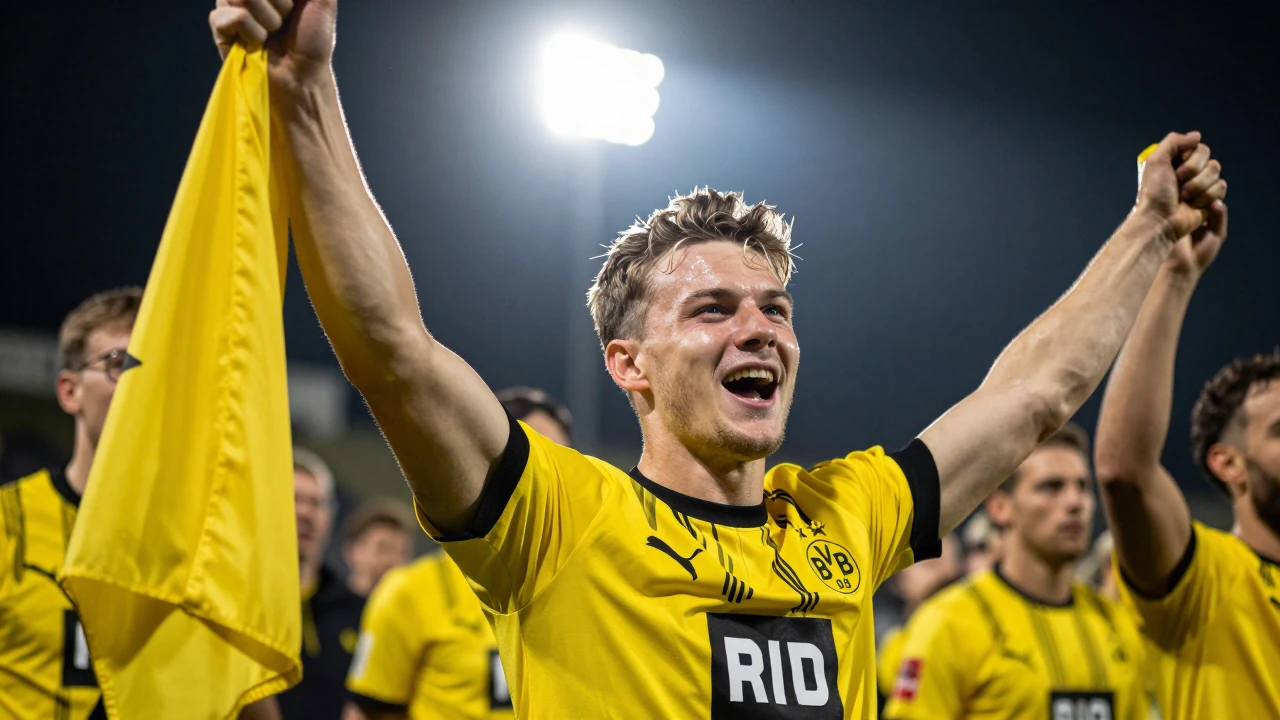
Borussia Dortmund's fan culture is unique. The Südtribüne, also known as the “Yellow Wall,” is a symbol of the passionate support the club has enjoyed for decades. In the pre-AI era, fans were the driving force behind results. They were the first to cheer on the players and had a direct influence on the mood in the stadium.
- Emotional Connection: Fans often felt an emotional bond with the club, leading to a strong sense of community.
- Traditional Support: Support from fans remained strong, regardless of the team’s performance.
- Cultural Identity: The club was not only a football team but a part of the identity of the Dortmund region.
The atmosphere at Signal Iduna Park was unmatched due to the passionate support. There were no data analyses to measure the mood; it was the fans' feelings that drove the players. They weren’t just spectators; they were part of the game.
Tactical Evolution and the Influence of Coaches
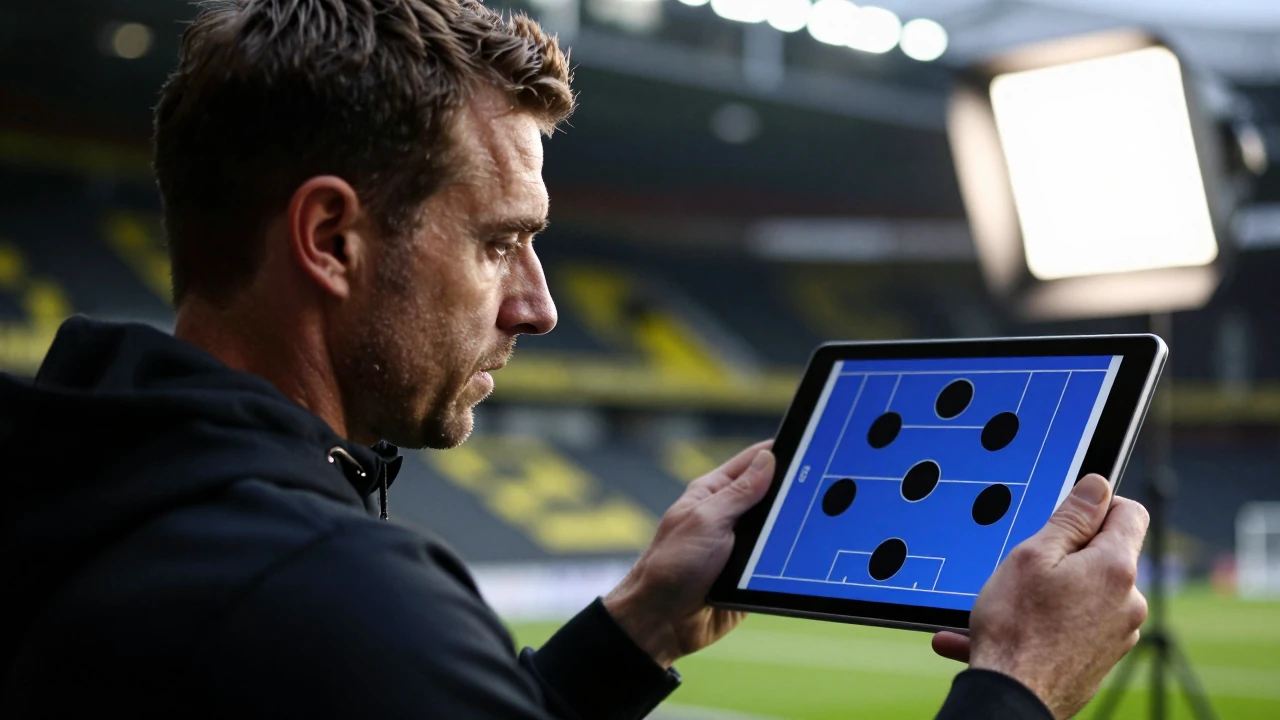
In the era before AI, tactics in football were often the result of experimentation and adjustments by coaches. Jürgen Klopp revolutionised Dortmund’s playing style with his “gegenpressing” approach. This tactic relied on intense pressing and quick transitions, making the team one of the most exciting in Europe.
Players were viewed not only as athletes but also as thinkers, meaning their ability to adapt to various game situations was key. Klopp could make the right decisions in critical moments with a mix of experience and intuition.
What This Means for Borussia Dortmund
For Borussia Dortmund fans, the pre-AI era is more than just a nostalgic memory; it’s a symbol of the club’s values. The emotional connection between fans and players remains strong, even as the world of football evolves.
Fans still cherish the traditions and stories that surround the club. Critics will argue that modern data analytics and AI make football more efficient, but they could jeopardise the emotional depth and unpredictability of the game. The question remains: how much influence does technology have on the connection between fans and the club?
Looking Ahead
As Borussia Dortmund handles an increasingly technologised world, the challenge remains to maintain the connection with its fans. The club has the opportunity to use AI for better player analysis and performance enhancement, but the challenge lies in not losing the heart and soul of the club.
The next generation of fans will grow up in a different environment where data and analytics play a bigger role. Yet, the stories and emotions that have shaped the club will continue to be vital.
Conclusion
Borussia Dortmund has undergone many changes over the years. The pre-AI era was characterised by passion, emotions, and a strong connection between fans and players. As the club looks to the future, the challenge will be to preserve its traditions while meeting the demands of the modern world. Fans will continue to play a central role, and it is not yet clear how this dynamic will evolve.